30 Hidden Gems to Discover in Iowa
Tired of the usual tourist spots?
Iowa is full of hidden gems waiting to be discovered.
Our list of 30 top-secret attractions takes you beyond the well-trodden paths to explore some of the state’s best-kept secrets.
From picturesque countryside retreats to quirky local landmarks, each destination on this list offers something unique and special.
Get ready to uncover the unexpected and make your next trip to Iowa truly memorable.
American Gothic House, Eldon
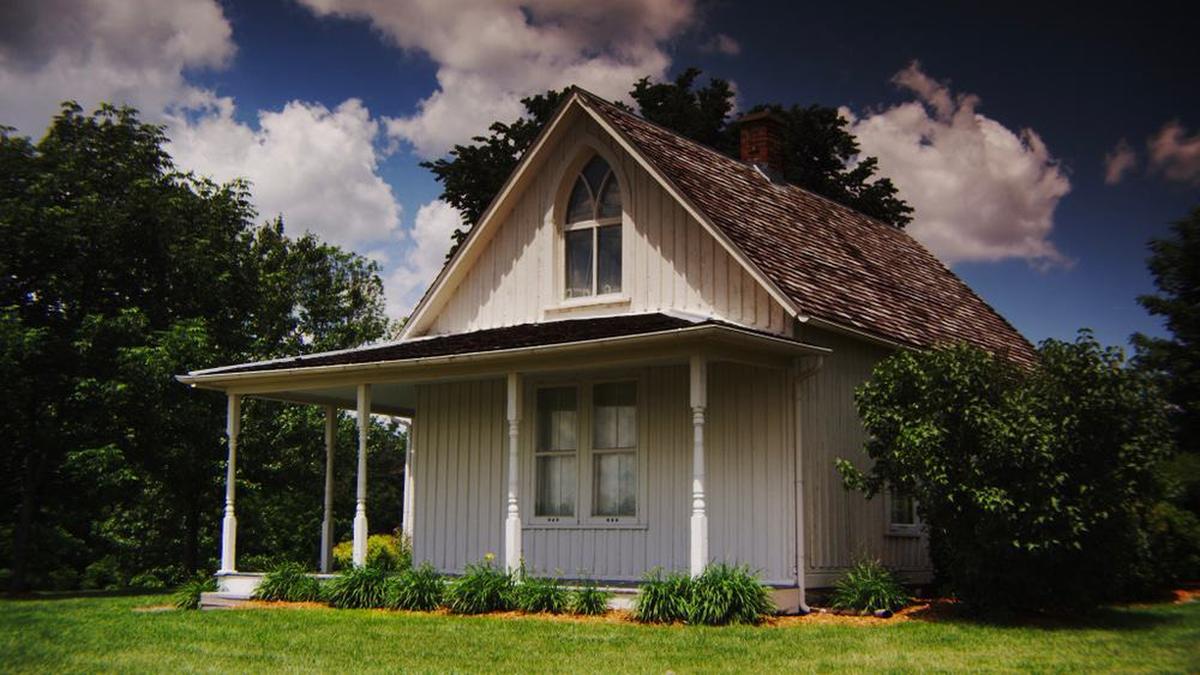
The American Gothic House in Eldon, Iowa, is more than just a home; it’s the very inspiration behind Grant Wood's iconic painting, "American Gothic." The house’s Carpenter Gothic design and distinctive windows capture the spirit of rural America, drawing visitors interested in both art history and Midwestern culture. You can explore the house and imagine standing where the figures in Wood’s masterpiece once stood.
The Day The Music Died Memorial, Clear Lake
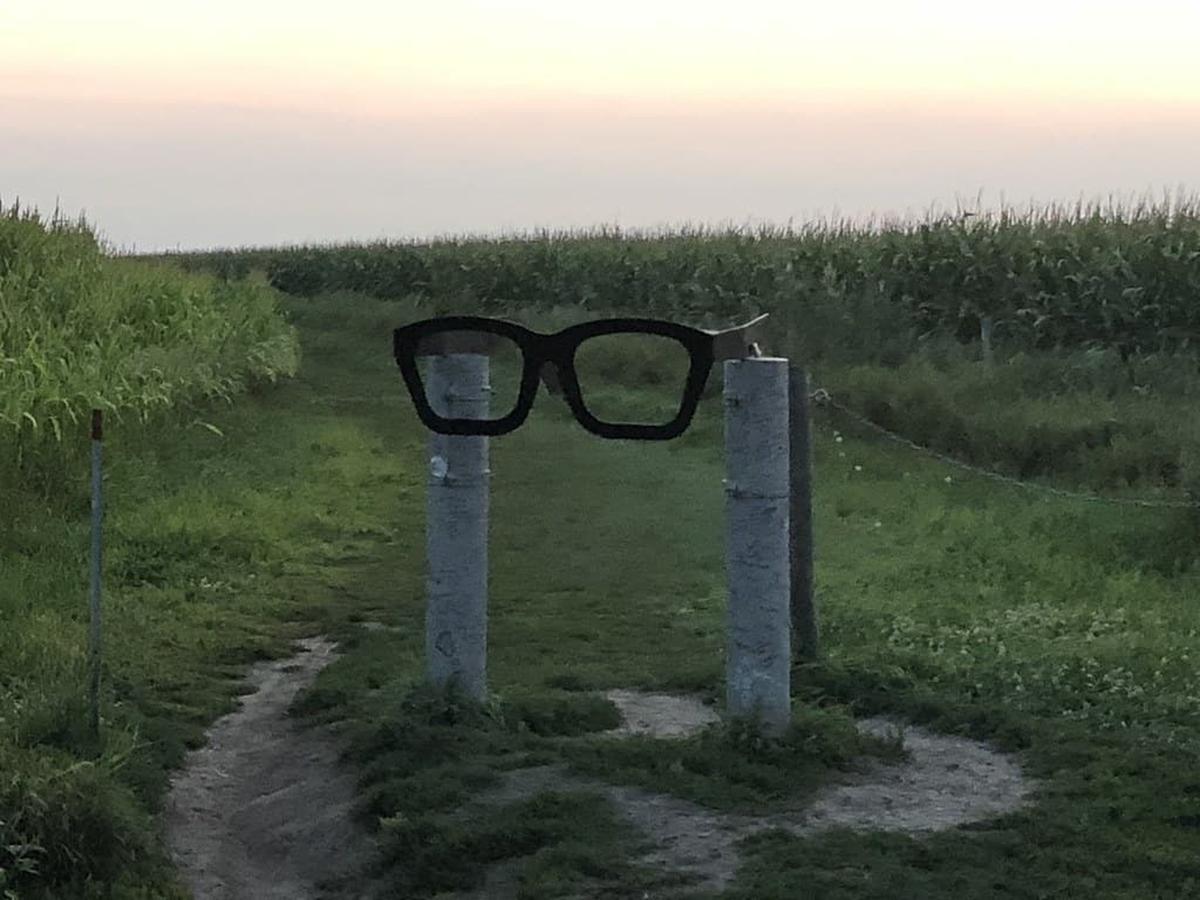
The Day the Music Died Memorial in Clear Lake marks the tragic crash site where Buddy Holly, Ritchie Valens, and J.P. "The Big Bopper" Richardson lost their lives in 1959.
A pair of giant glasses pays tribute to Holly’s signature look, making it a poignant spot for music lovers to reflect on the impact these artists had on American music history. This quiet memorial offers a powerful reminder of the fleeting nature of life and fame.
Father Paul Dobbersteins Grotto of the Redemption, West Bend
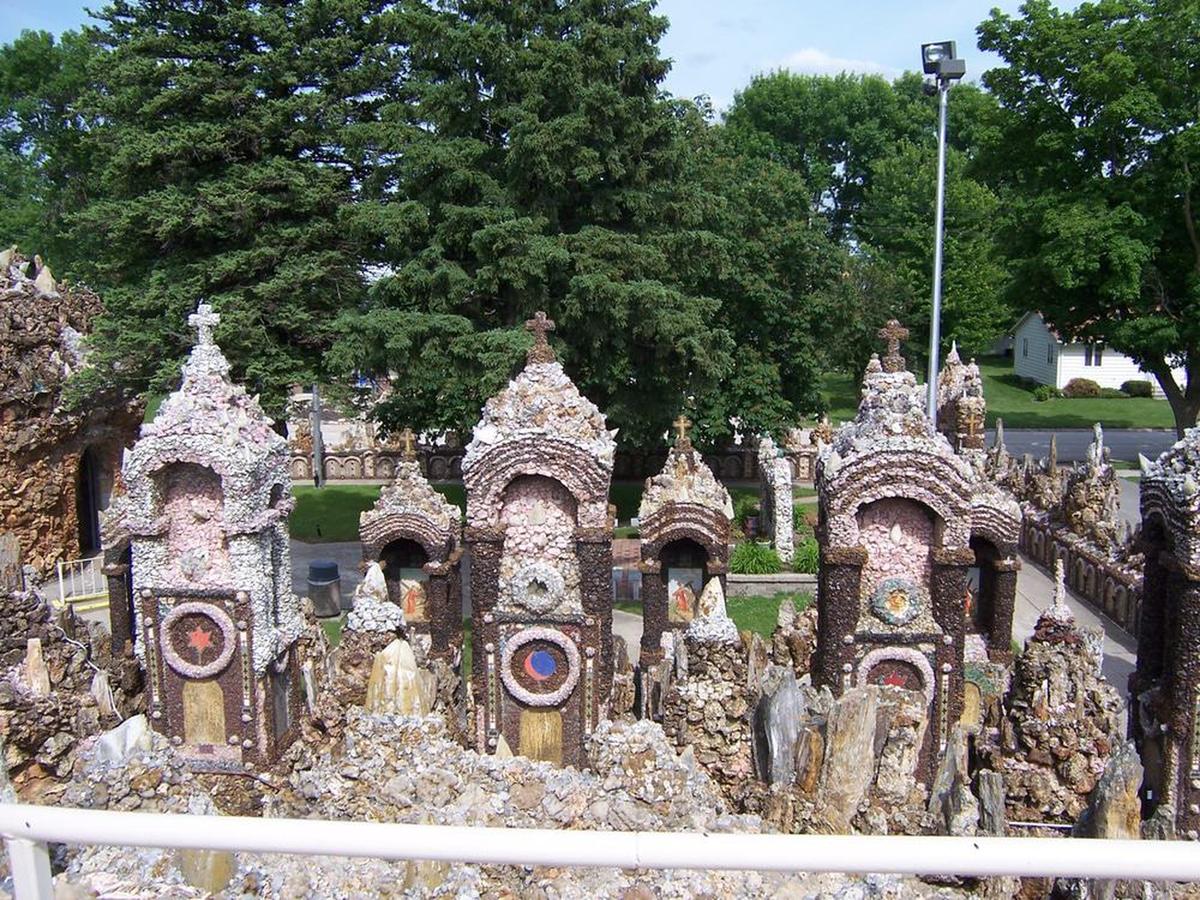
Father Paul Dobberstein’s Grotto of the Redemption in West Bend is a breathtaking tribute to faith and perseverance. Crafted over 42 years using rare stones and gems, this nine-grotto masterpiece is a marvel of religious art and architecture.
Visitors can walk through the grotto’s intricate pathways, experiencing a sense of peace and awe in the face of such devotion. It’s a spiritual journey that leaves a lasting impression.
Lovers Leap Swinging Bridge, Columbus Junction
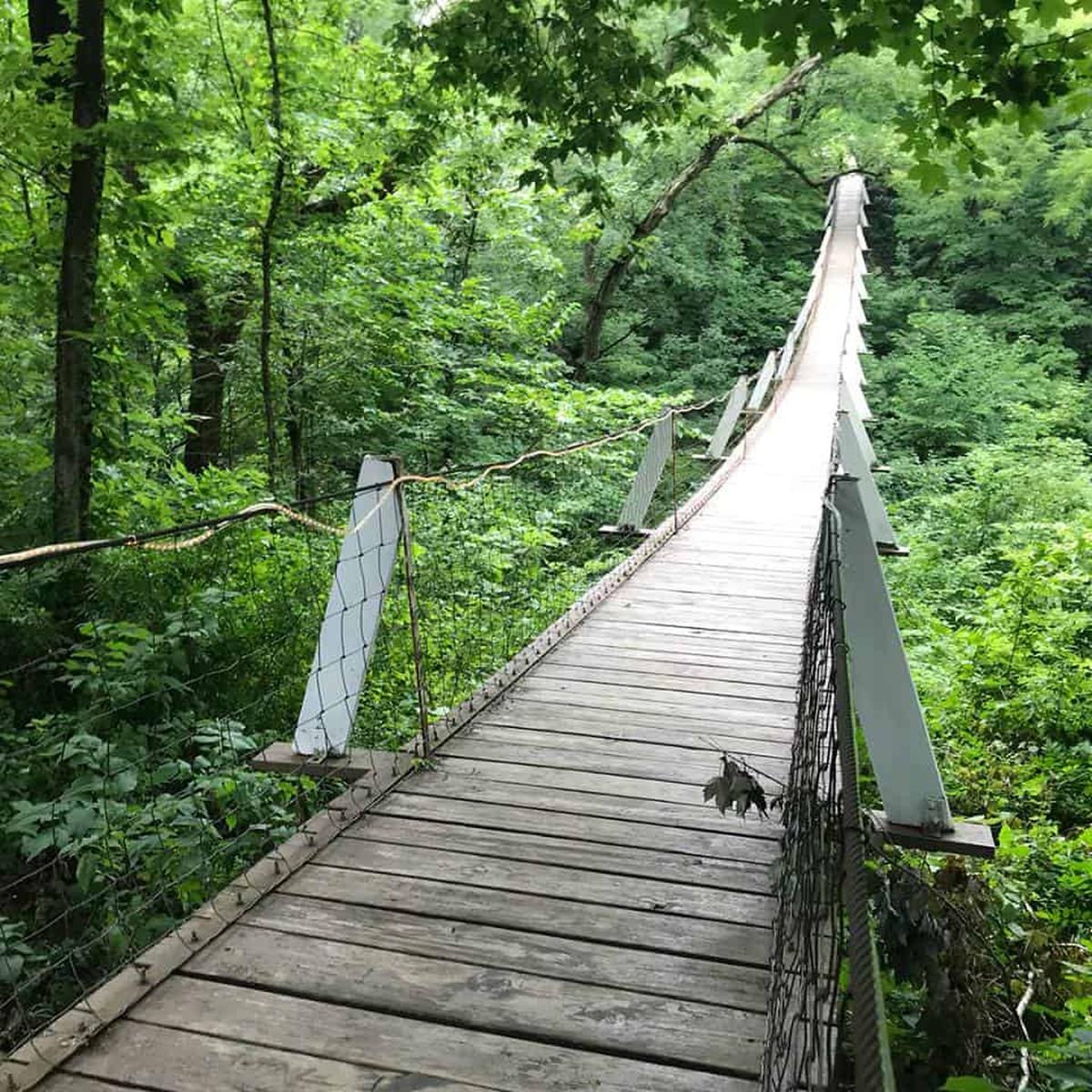
Lovers Leap Swinging Bridge in Columbus Junction is steeped in legend and history. The story of an Indian maiden’s tragic leap adds a touch of romance to this scenic spot.
Originally built in 1886, the bridge offers sweeping views and a bit of a thrill as it sways with each step. You might find yourself imagining the bridge’s past and the souls that are said to watch over those who cross it.
Fenelon Place Elevator, Dubuque
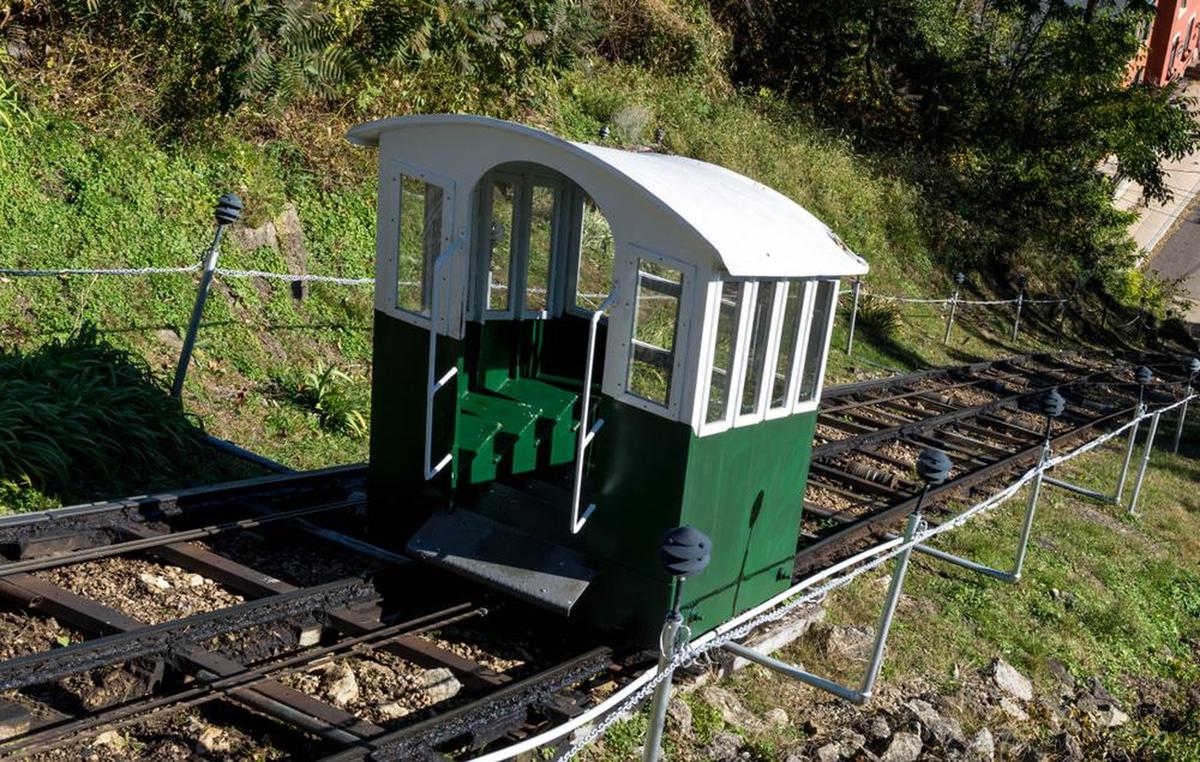
Fenelon Place Elevator in Dubuque is a quirky piece of history, often touted as the world’s shortest and steepest railroad. Built in 1882, this funicular offers spectacular views of the Mississippi River and the surrounding area.
A ride on this historic elevator transports you back in time, giving you a glimpse of 19th-century innovation and the breathtaking beauty of Iowa’s landscape.
Iowas Largest Frying Pan, Brandon
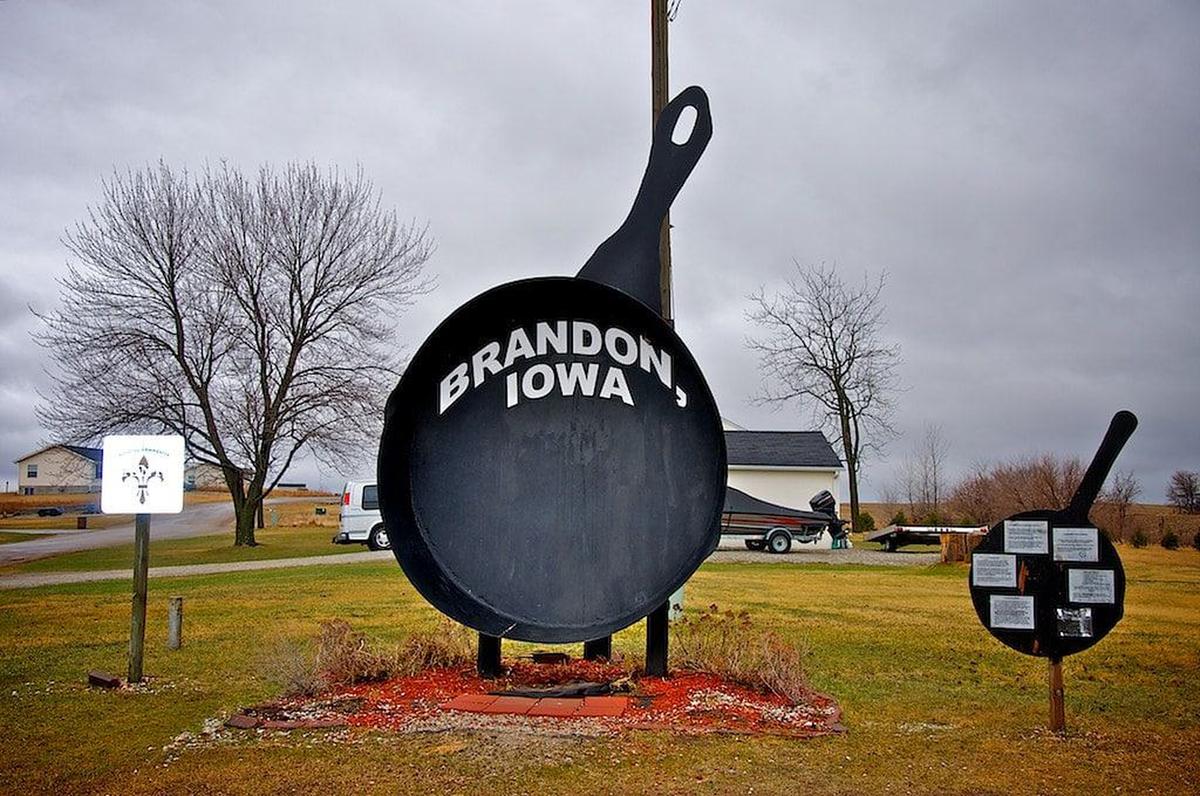
Brandon, Iowa, may be small, but it boasts a massive claim to fame with Iowa’s largest frying pan. Weighing over 1,000 pounds, this colossal pan was created to promote the town’s annual Cowboy Breakfast.
Capable of frying 176 pounds of pork chops at once, it’s a symbol of the town’s community spirit and a fun stop for anyone with an appetite for unique roadside attractions.
Elwood, The Worlds Tallest Concrete Gnome, Ames
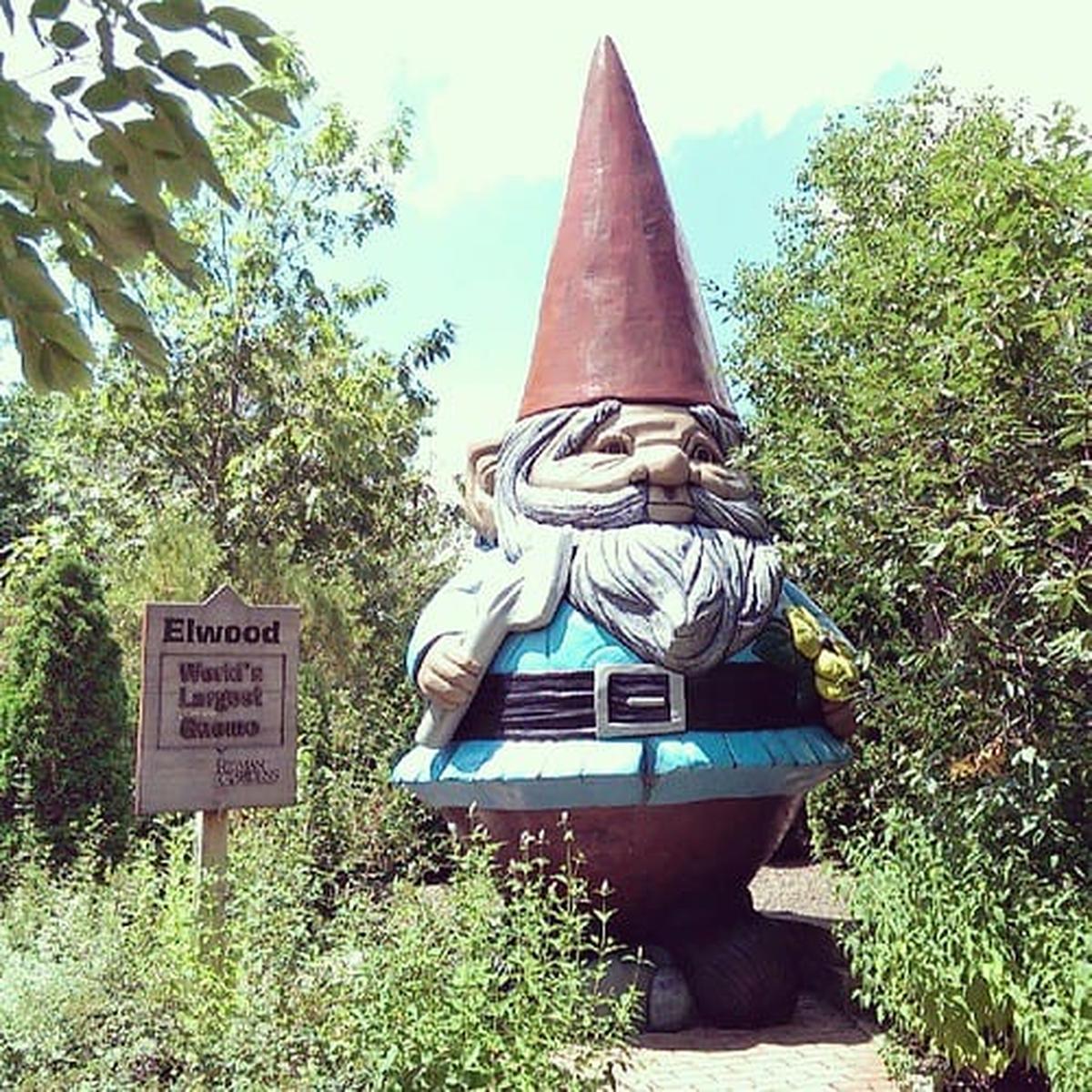
In Ames, Elwood, the world’s tallest concrete gnome, stands proudly within Reiman Gardens. This 15-foot-tall figure is a whimsical addition to the garden’s already stunning array of plants and flowers.
Reiman Gardens is a peaceful retreat, where you can enjoy the beauty of nature and marvel at this quirky giant, making it a perfect spot for a family outing or a quiet afternoon stroll.
Vesterheim Norwegian-American Museum, Decorah
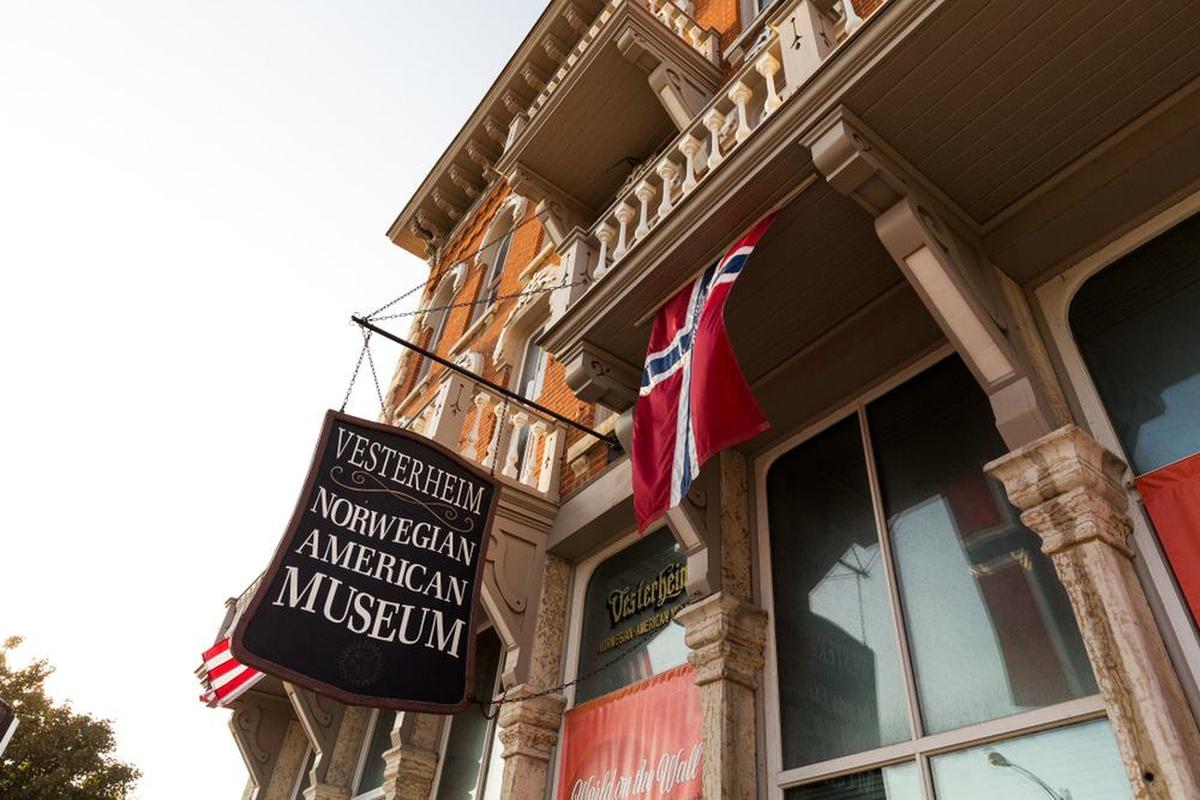
The Vesterheim Norwegian-American Museum in Decorah is a cultural treasure that celebrates Norwegian heritage in the United States. With over 24,000 artifacts, including traditional folk art, tools, and textiles, the museum offers a deep dive into the lives of Norwegian immigrants.
It’s an enriching experience where you can explore the intersection of two cultures and appreciate the contributions of these early settlers.
High Trestle Trail Bridge, Madrid
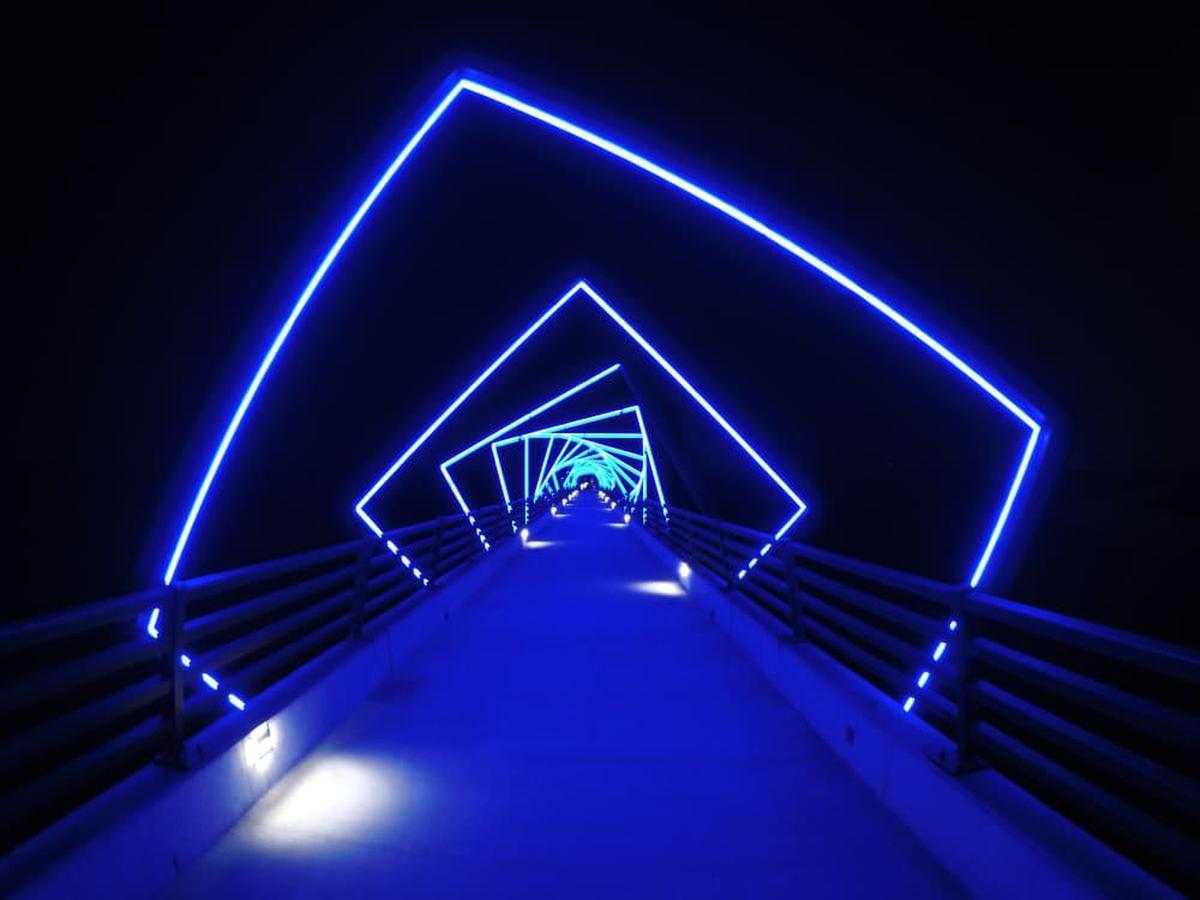
High Trestle Trail Bridge in Madrid is a stunning example of how art and infrastructure can blend seamlessly. Spanning half a mile and standing 130 feet above the Des Moines River, this bridge is especially mesmerizing at night when its spiraling steel frames are illuminated.
Cyclists, hikers, and photographers alike will find the bridge’s design an inspiring tribute to Iowa’s mining history. It’s a must-visit for those seeking a unique visual experience.
Sans Souci Island, Waterloo
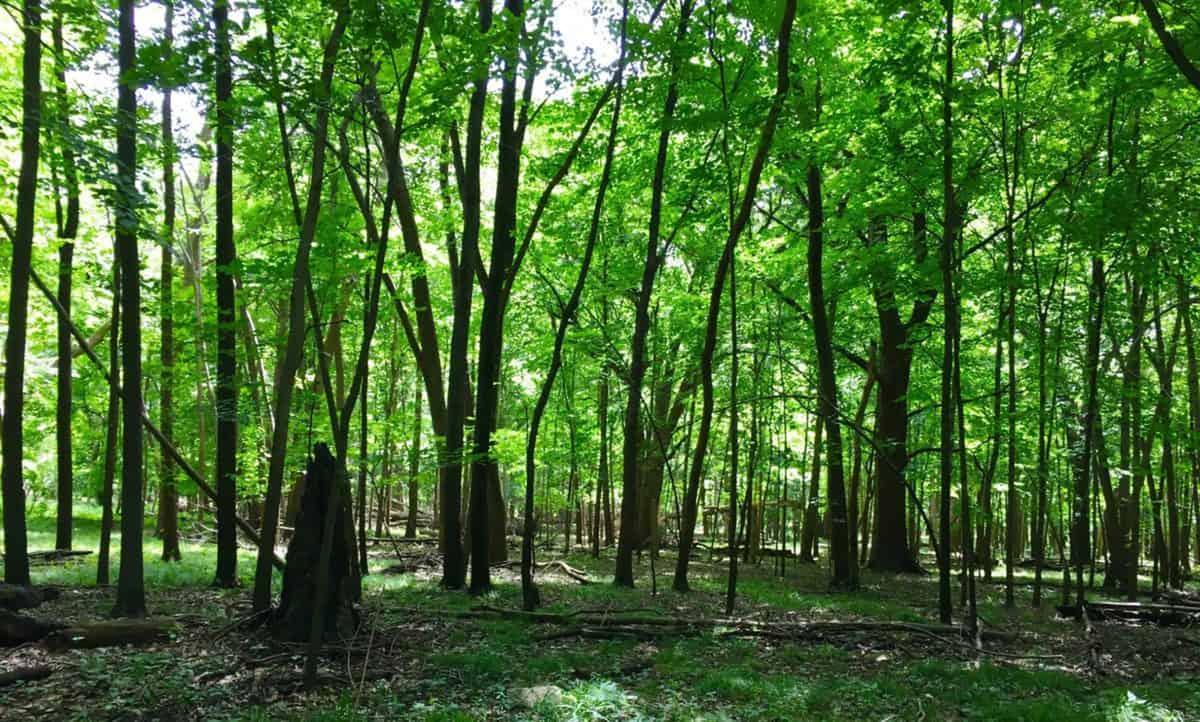
Sans Souci Island in Waterloo is an intriguing spot for nature lovers and history buffs alike. This 100-acre island, once a thriving community, now stands abandoned after a devastating flood in 2008.
Hiking the island’s trails offers a unique experience of solitude and reflection, as you explore the remnants of a once-flourishing neighborhood now reclaimed by nature.
Stone City, Anamosa
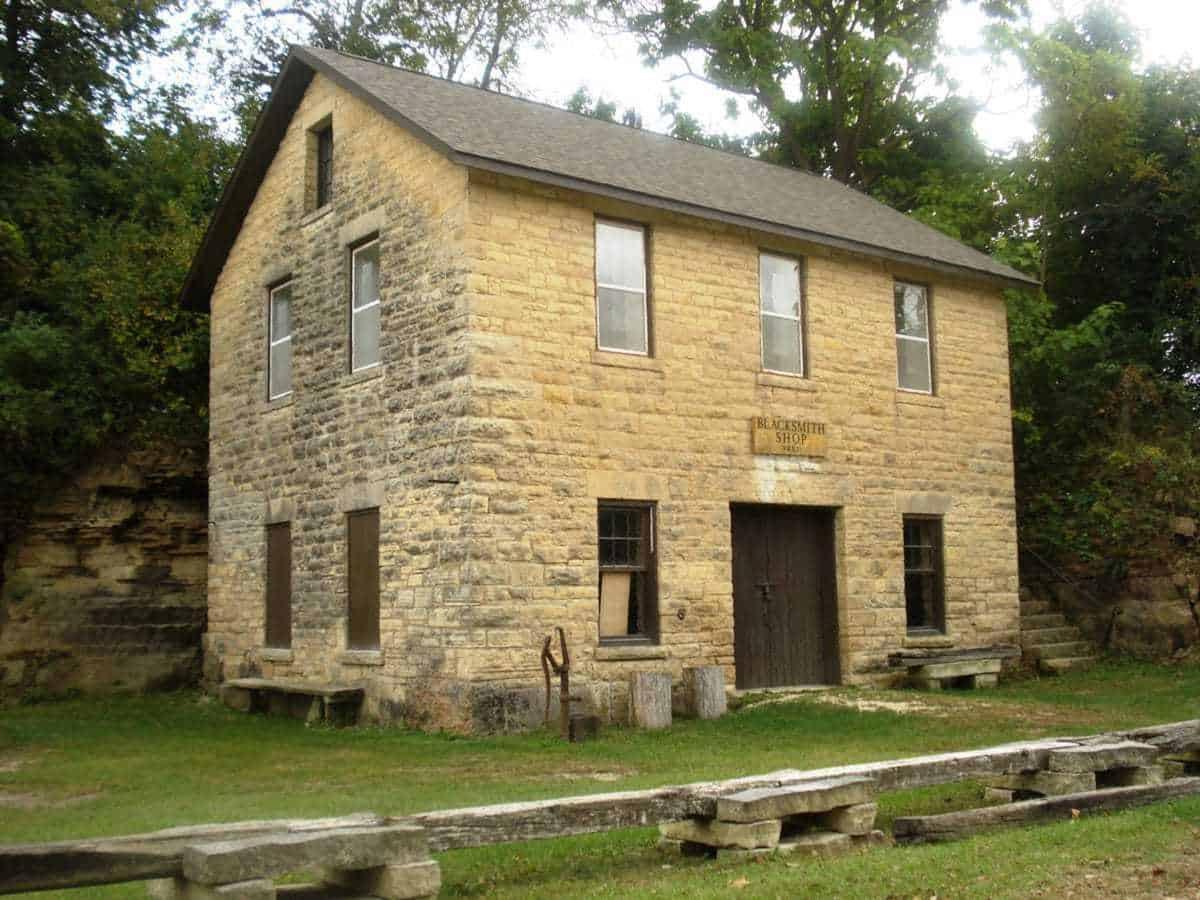
Stone City, once a bustling quarry town, now stands as a testament to Iowa’s rich history of stonework. In the late 19th century, its dolomite limestone was highly prized, leading to the construction of impressive buildings like Columbia Hall.
Though the quarry boom has long faded, remnants of the town’s grand past remain, offering you a quiet reflection on Iowa’s industrial heritage.
Hawkeye Point, Sibley
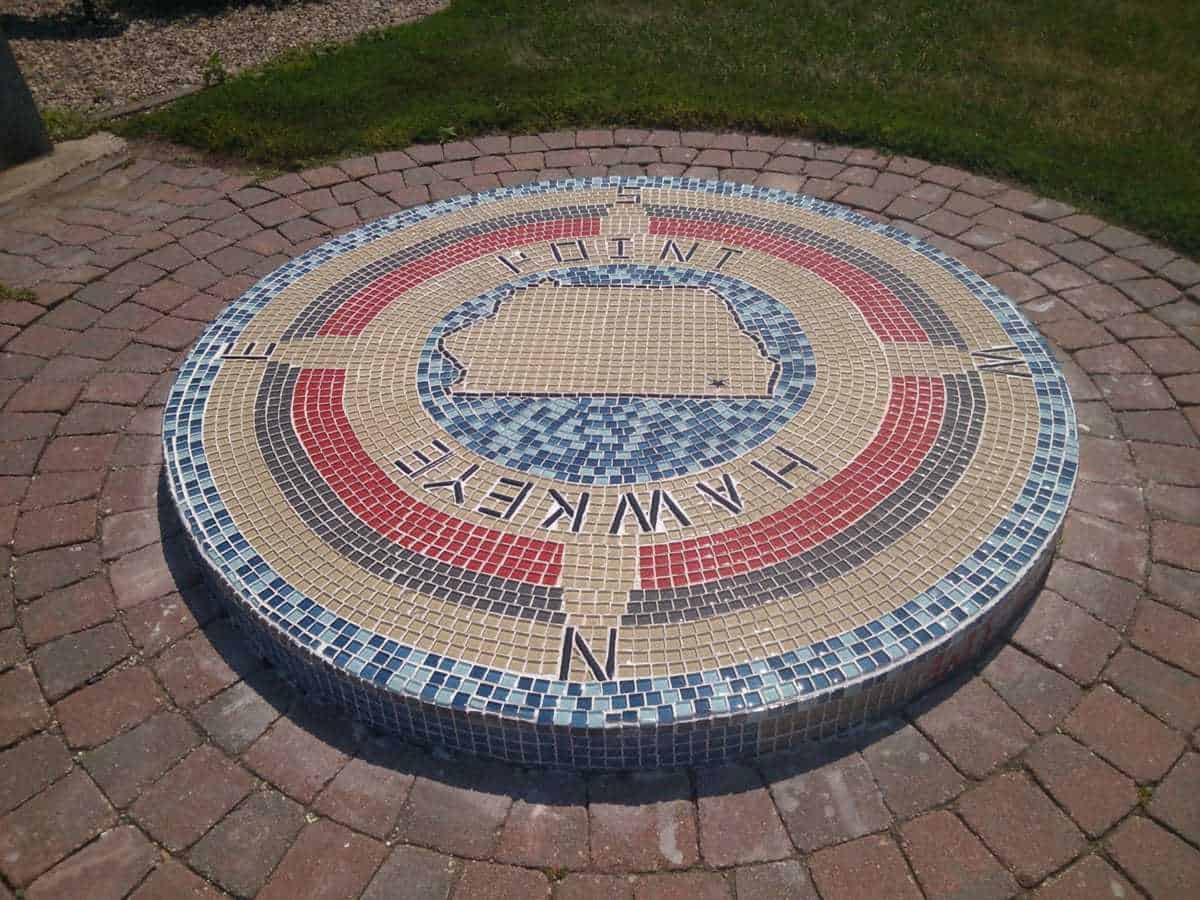
At 1,670 feet above sea level, Hawkeye Point is Iowa’s highest natural elevation. Once part of the Sterler family farm, the site now features a collection of markers and memorabilia that celebrate this unique geographic distinction.
With picnic areas and informational kiosks, it’s a serene spot where you can take in the panoramic views and learn a bit about the region’s history.
Villisca Ax Murder House, Villisca
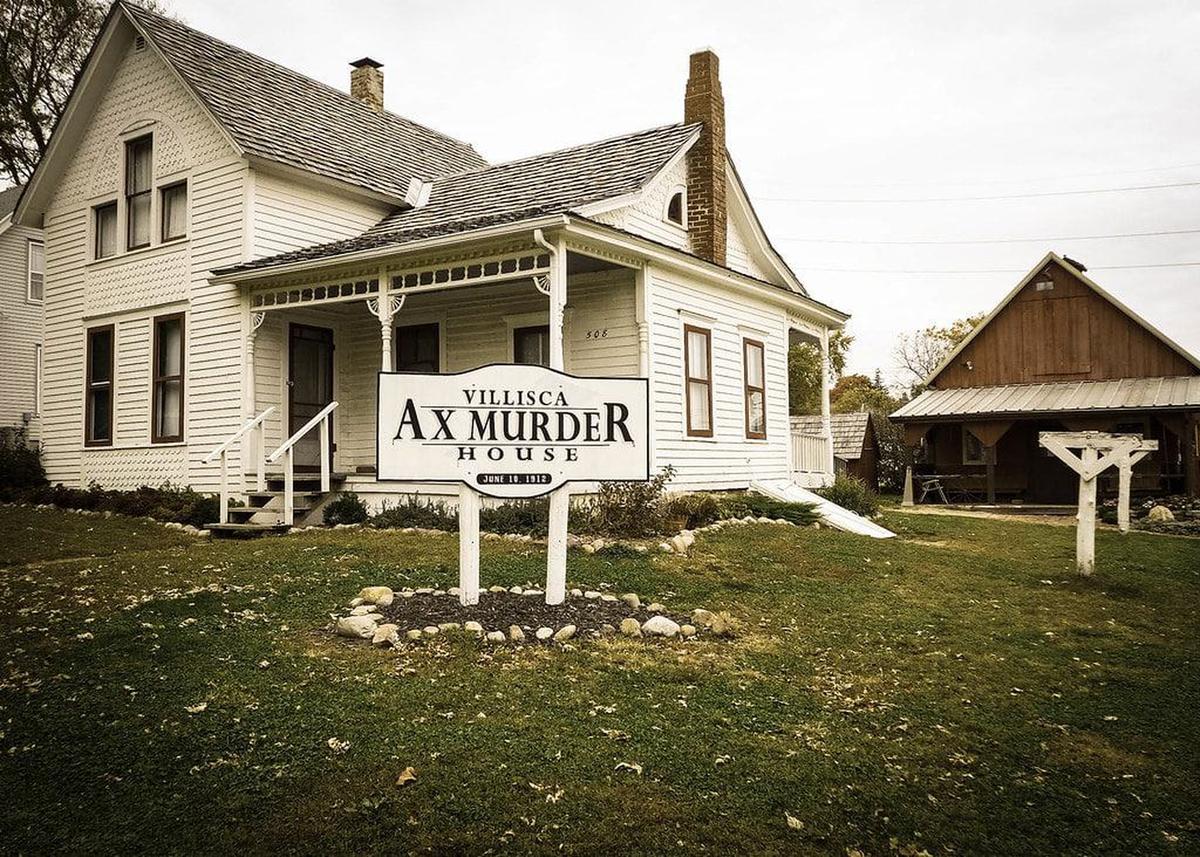
Villisca Ax Murder House in Villisca is a chilling site of one of America’s most infamous unsolved crimes. In 1912, eight people were brutally murdered in this small house, and the mystery remains to this day.
Visitors can tour the house or even spend the night, adding a spine-tingling experience to their stay. It’s a place where history and horror blend, leaving you with an unforgettable story to tell.
Maharishi Vedic City, Maharishi Vedic City
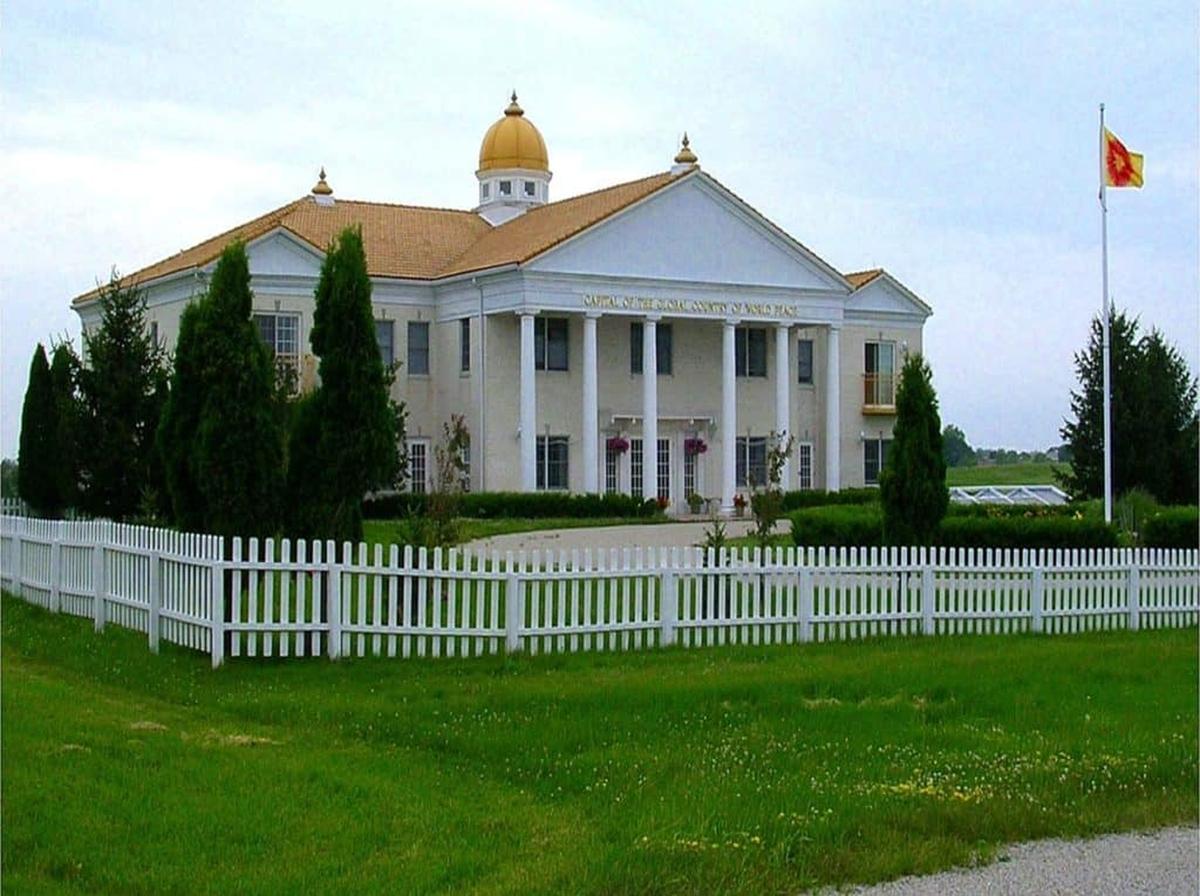
Maharishi Vedic City, founded on the principles of Transcendental Meditation, is a unique community designed to promote balance and harmony. Located near Fairfield, this town follows ancient Vedic architecture and emphasizes sustainable living.
Visitors can explore its peaceful atmosphere and learn about the benefits of meditation, making it a destination for those seeking wellness and tranquility.
Bily Clocks Museum, Spillville
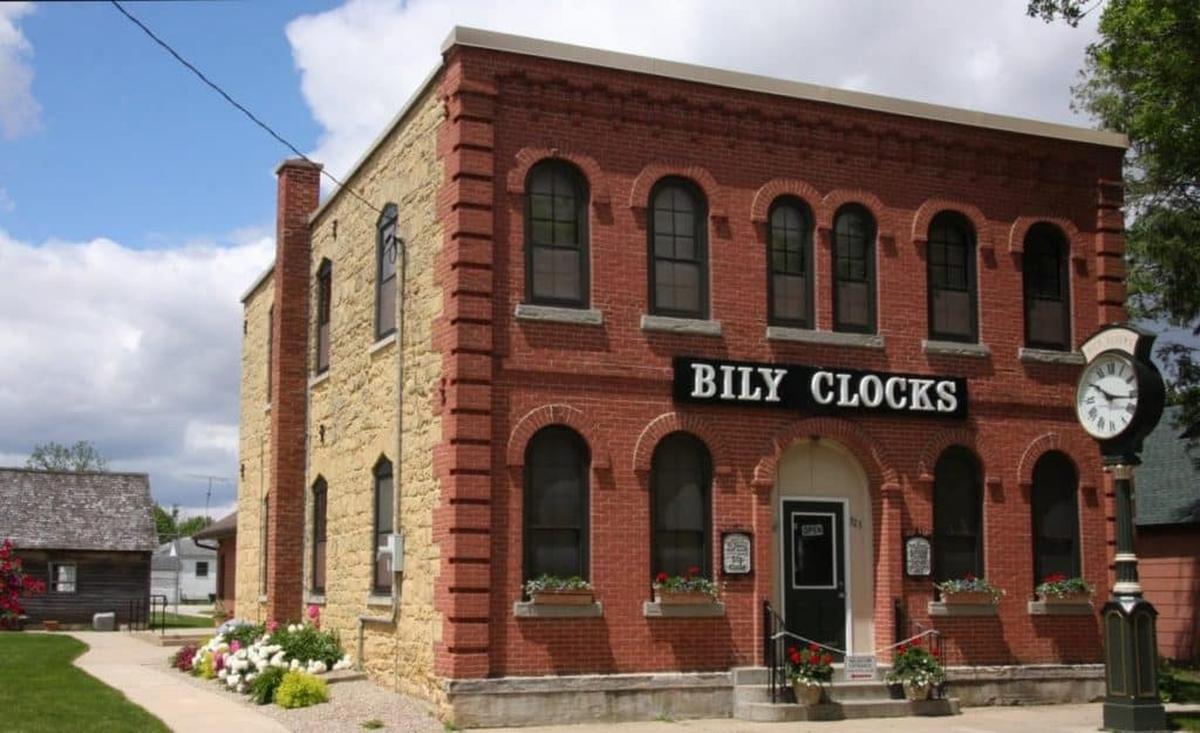
Spillville’s Bily Clocks Museum houses an extraordinary collection of handmade wooden clocks crafted by the Bily brothers. These intricate timepieces, created purely as a hobby, showcase exceptional craftsmanship and creativity.
The brothers’ refusal to sell their works, even to Henry Ford, adds a layer of intrigue to this hidden gem, making it a must-visit for anyone interested in artistry and dedication.
The Hobo Museum, Britt
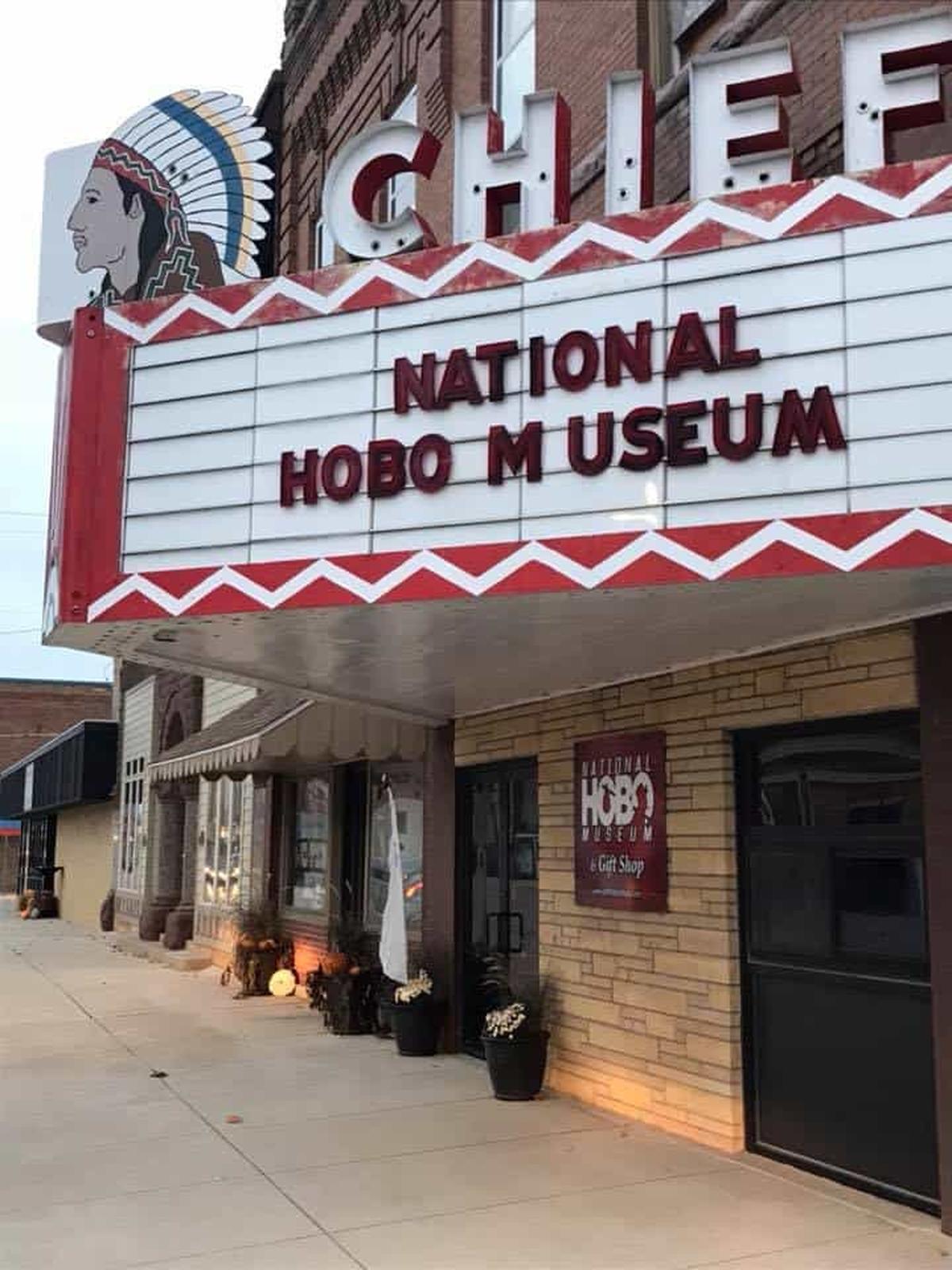
The Hobo Museum in Britt celebrates the culture and history of American hobos, those adventurous souls who traveled the country by rail. This museum, filled with memorabilia and personal stories, offers a unique perspective on a bygone era of American life.
Each year, the town hosts the National Hobo Convention, where you can experience a living tribute to this fascinating subculture.
World Food Prize Hall of Laureates, Des Moines

The World Food Prize Hall of Laureates in Des Moines honors those who have made significant contributions to the fight against hunger. Founded by Dr.
Norman Borlaug, the Hall celebrates innovators in agriculture and food science. With exhibits detailing the history of hunger and a mural depicting the city’s past, this hall stands as a beacon of hope and progress in global food security.
Huston Cemetery, West Des Moines
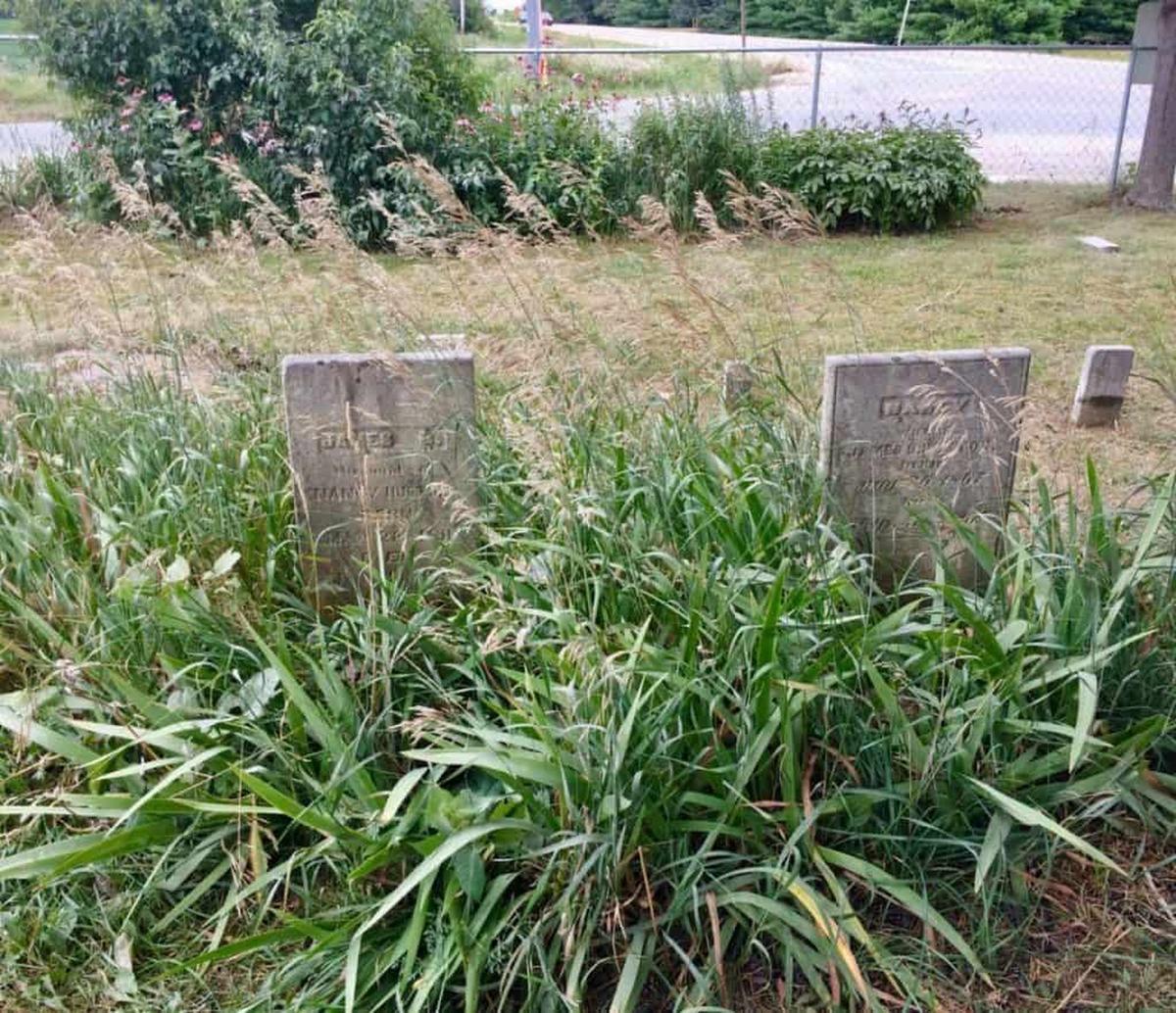
Huston Cemetery in West Des Moines is a unique historical site located right in the middle of a roundabout. Known as the “Cemetery in the middle of the road,” this small graveyard holds the remains of early settlers, including the Huston family.
The cemetery’s unusual location and historical significance make it an intriguing stop for those interested in Iowa’s pioneer past.
Snake Alley, Burlington
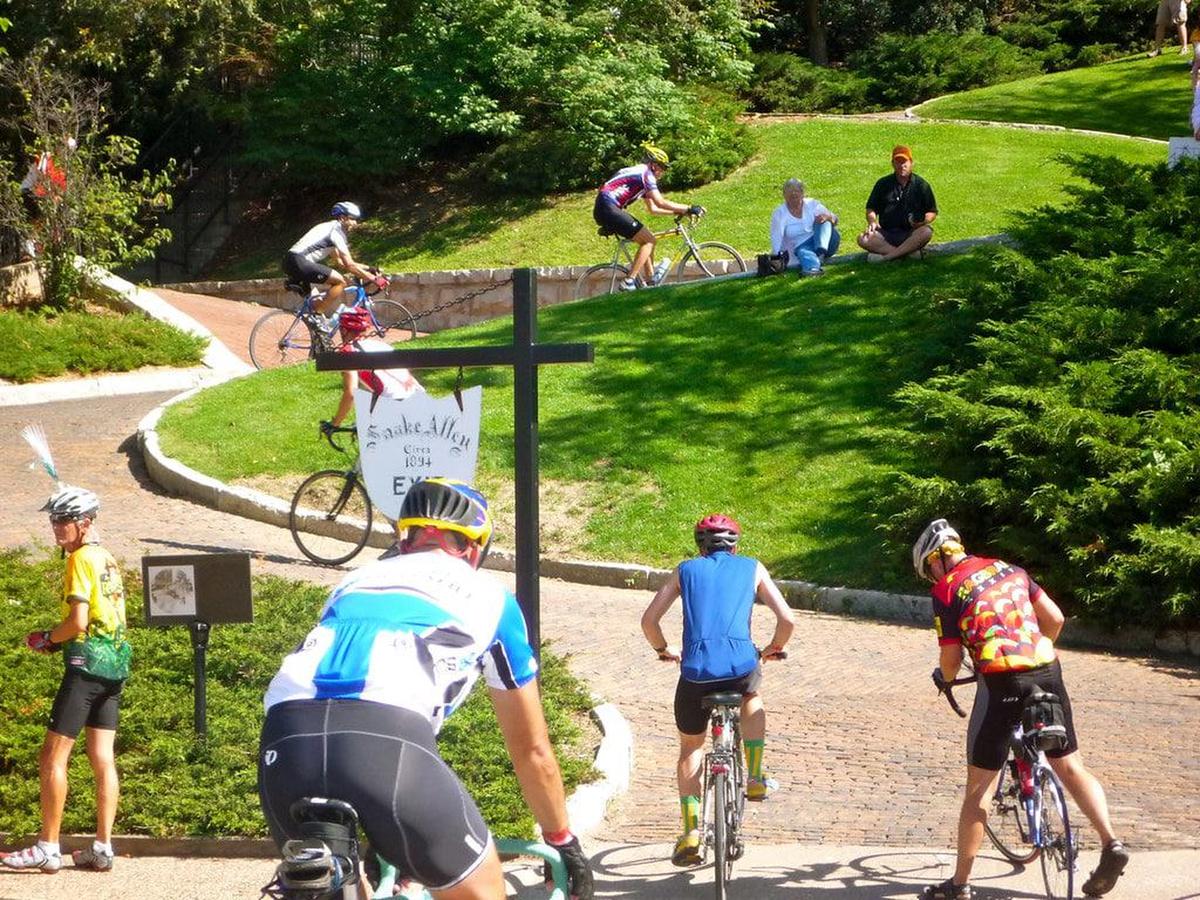
Snake Alley in Burlington is often called the “crookedest street in the world,” rivaling San Francisco’s Lombard Street. This winding, brick-paved road was designed to help horses navigate the steep incline, and it has become a local landmark.
Visitors can walk or drive down the alley’s sharp curves, enjoying both the challenge and the unique charm of this historic street.
National Farm Toy Museum, Dyersville
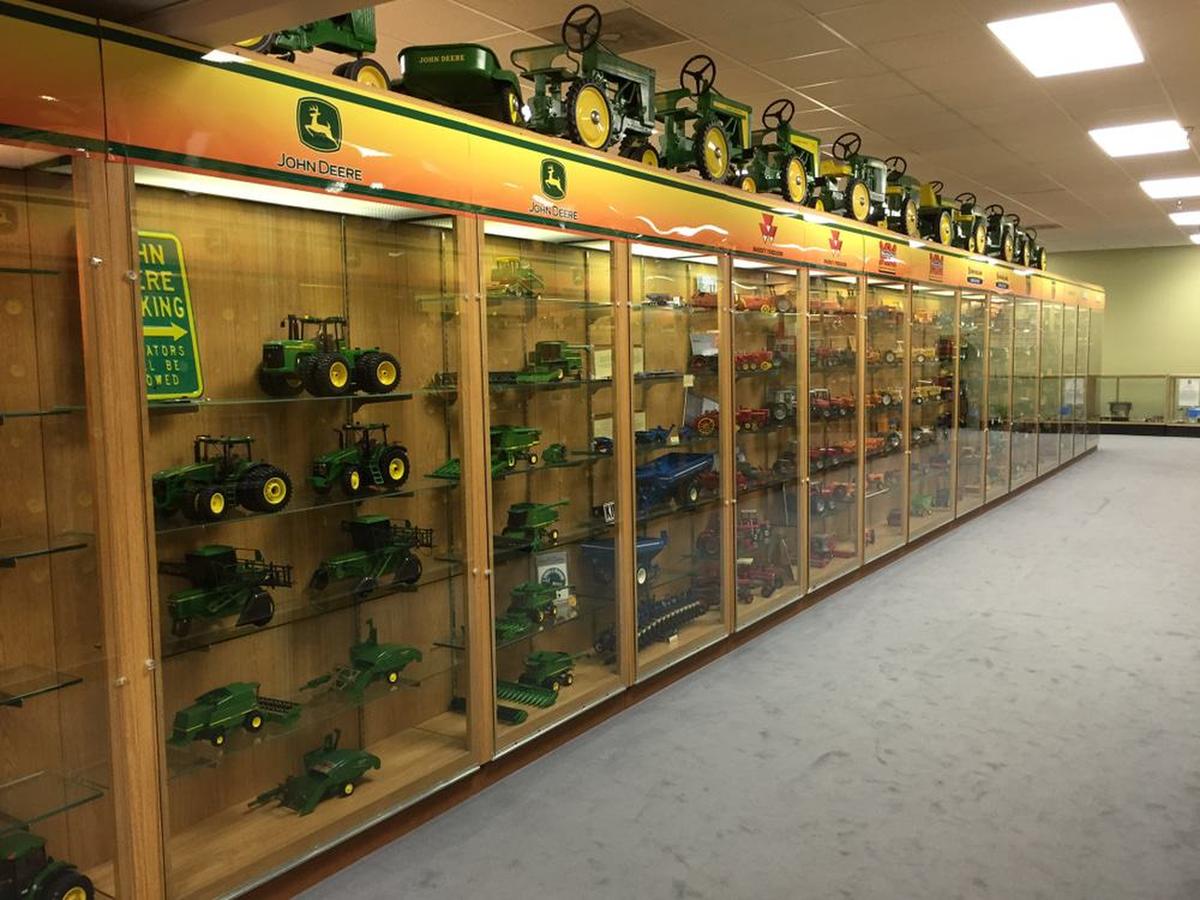
The National Farm Toy Museum in Dyersville is a nostalgic journey through the history of agriculture, told through intricate toy replicas. Established in 1986, the museum highlights the importance of farming in American life and showcases toys dating back to the 1800s.
For those with an interest in agriculture or childhood memories of farm life, this museum offers a delightful and educational experience.
What Cheer, What Cheer
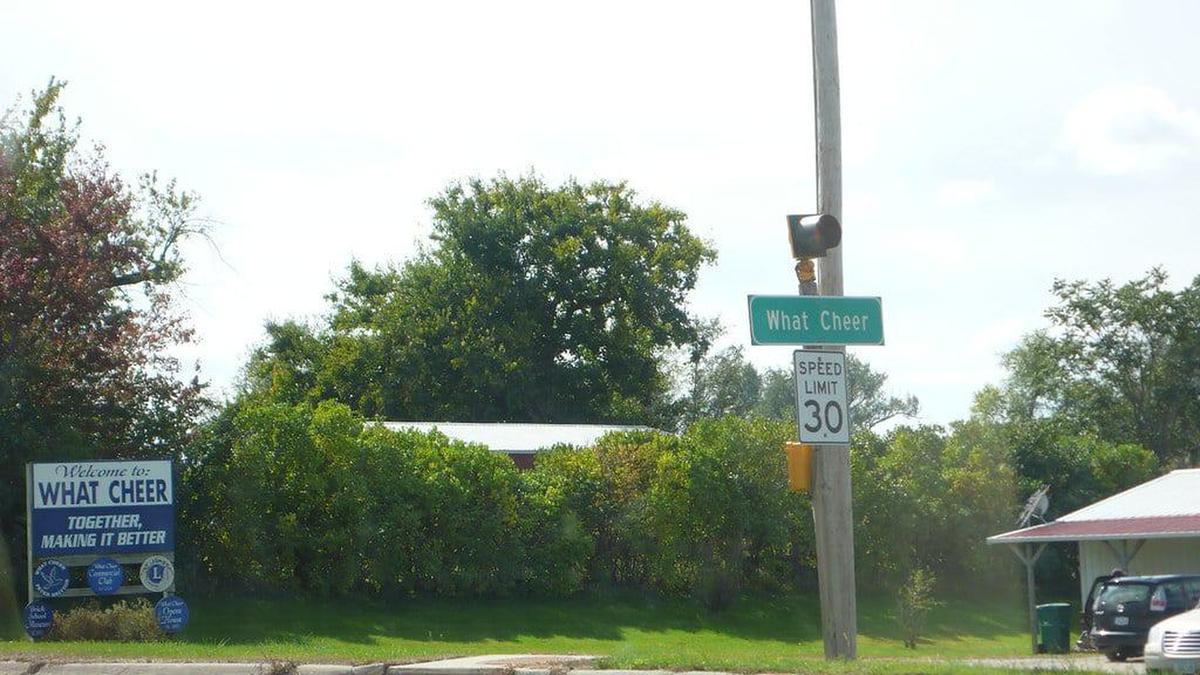
What Cheer, a small town with a curious name, offers a glimpse into Iowa’s past with its two-story museum and the Masonic Opera House. Once a thriving coal mining town, What Cheer now draws visitors intrigued by its unique moniker and historic charm.
The story behind the town’s name remains a mystery, but it’s a conversation starter that keeps this small community on the map.
Site of the First Train Robbery in the West, Adair
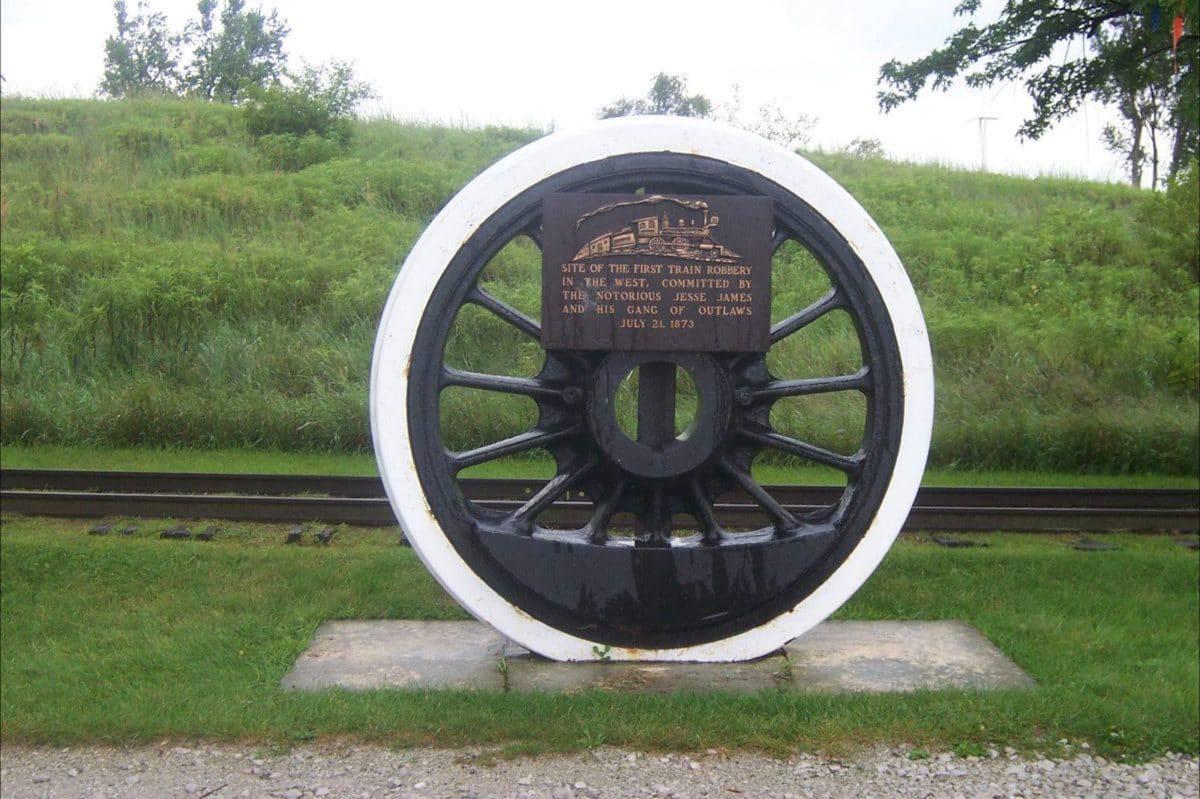
In the small town of Adair, the site of the first train robbery in the West holds a unique place in American history. On July 21, 1873, Jesse James and his gang executed a daring heist, marking a turning point in the lore of the American frontier.
A commemorative wheel from the Rock Island Railroad now stands at the site, offering you a tangible connection to the legends of the Wild West.
Albert The Bull, Audubon
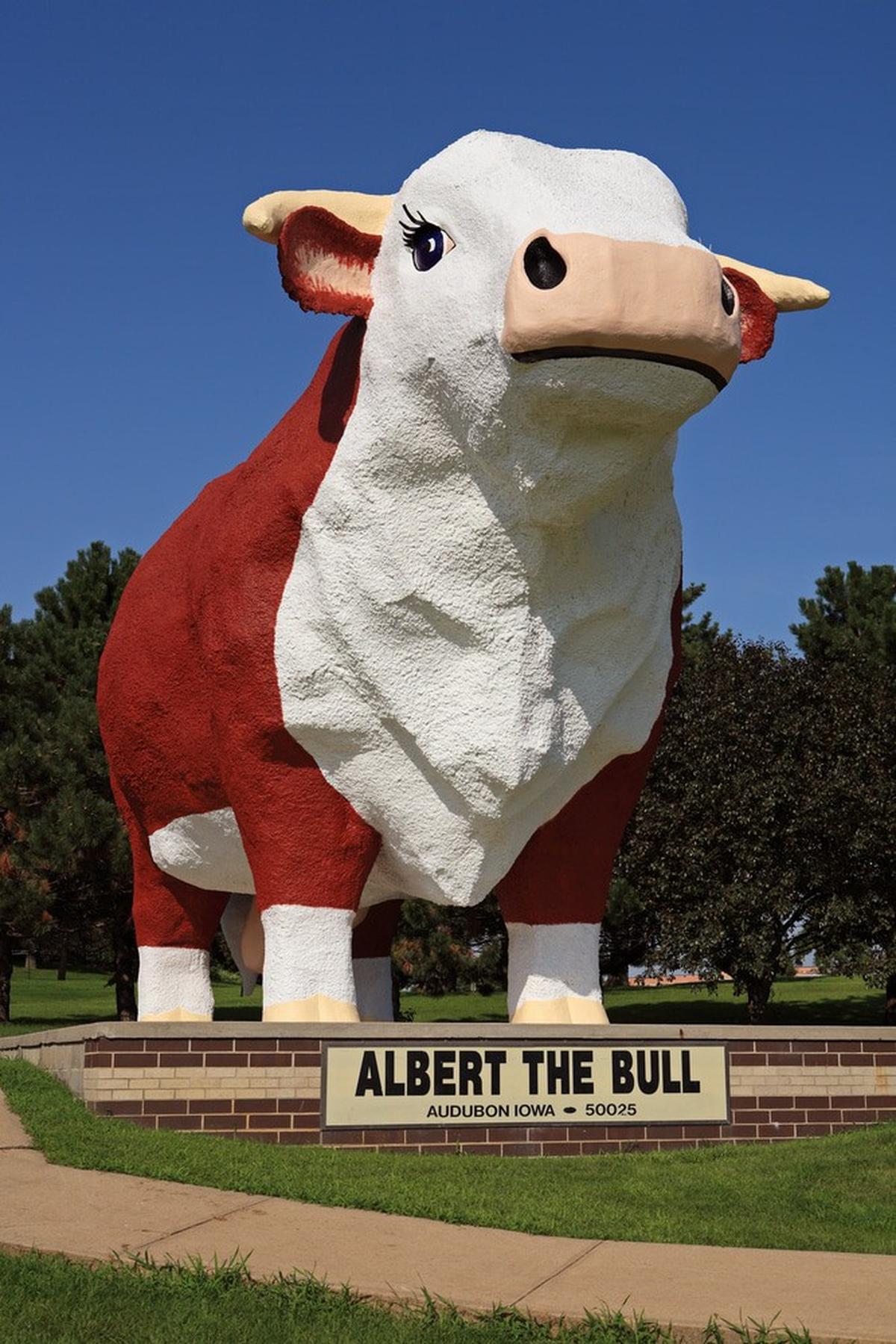
Albert the Bull in Audubon is a quirky roadside attraction that celebrates Iowa’s agricultural heritage. This 28-foot-tall, 45-ton concrete statue is the world’s largest bull and serves as a beloved symbol of the local community.
With its playful design and impressive size, Albert is a fun stop for travelers and a great photo opportunity that showcases the charm of small-town Iowa.
Dubuque Shot Tower, Dubuque
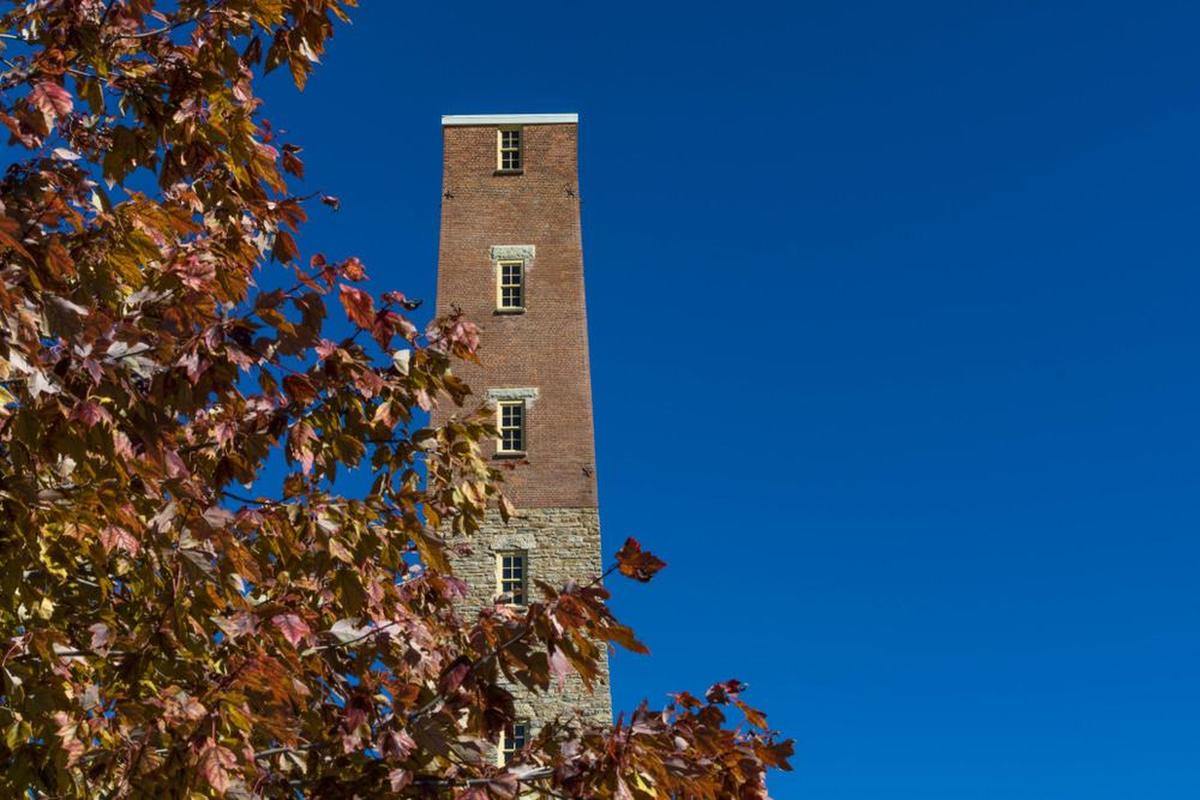
The Dubuque Shot Tower, standing since 1856, is a historic marvel that once produced lead shot for the military. At 120 feet tall, this red-brick and stone structure is one of the last remaining shot towers in the United States.
Now restored and listed on the National Register of Historic Places, it’s a fascinating glimpse into Iowa’s industrial past, offering both history and architectural intrigue.
The Black Angel of Oakland Cemetery, Iowa City
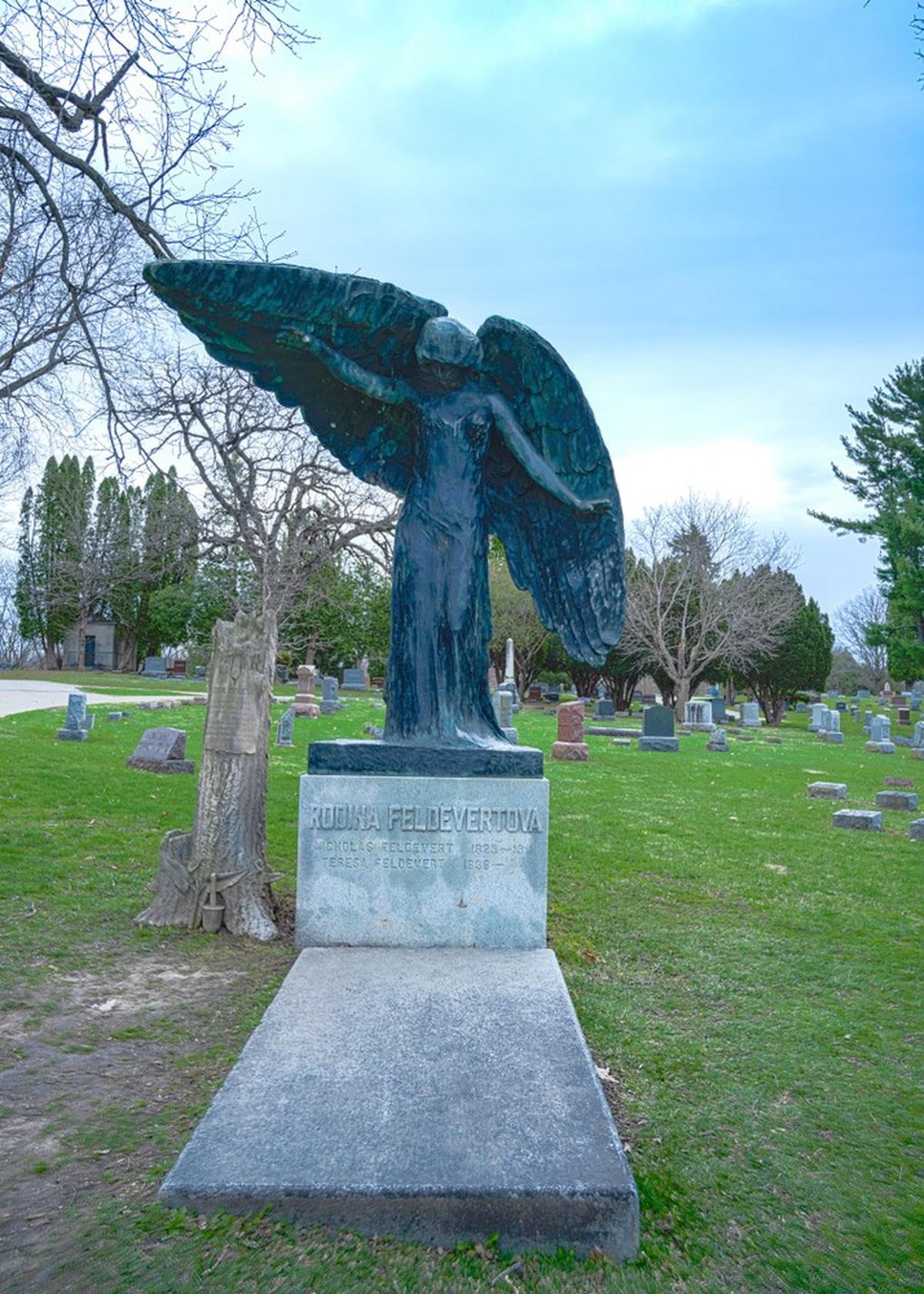
The Black Angel of Oakland Cemetery in Iowa City is shrouded in mystery and legend. This ominous, darkened bronze statue has inspired ghost stories and urban myths, with many locals believing it’s cursed.
The statue’s haunting presence amid the gravestones adds an eerie atmosphere to the cemetery, making it a fascinating spot for those intrigued by the paranormal and the unexplained.
American Gothic Barn, Mount Vernon
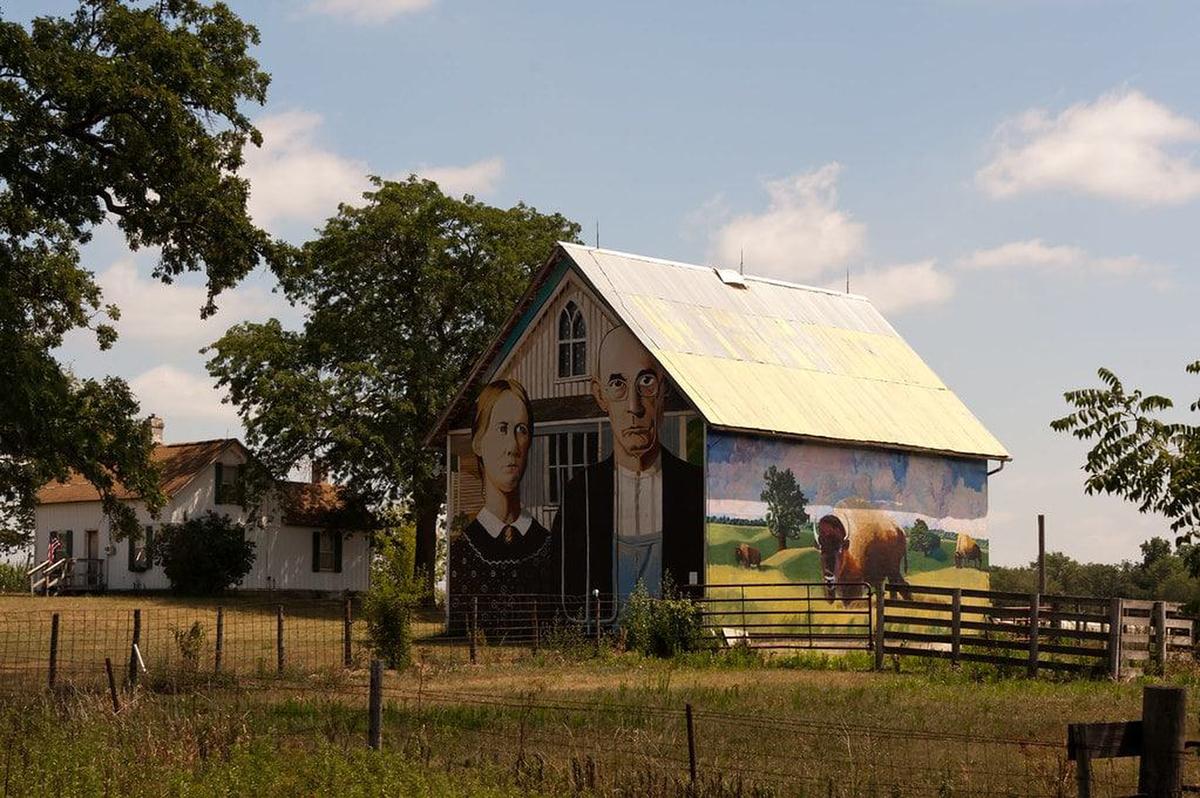
The American Gothic Barn in Mount Vernon brings Grant Wood’s famous painting to life in a unique way. This barn’s exterior is adorned with a colorful mural that reimagines the iconic artwork on a grand scale.
Driving by, you can appreciate the homage to Iowa’s rich artistic heritage while also enjoying the rural landscape that inspired Wood’s original masterpiece.
Pottawattamie Squirrel Cage Jail, Council Bluffs
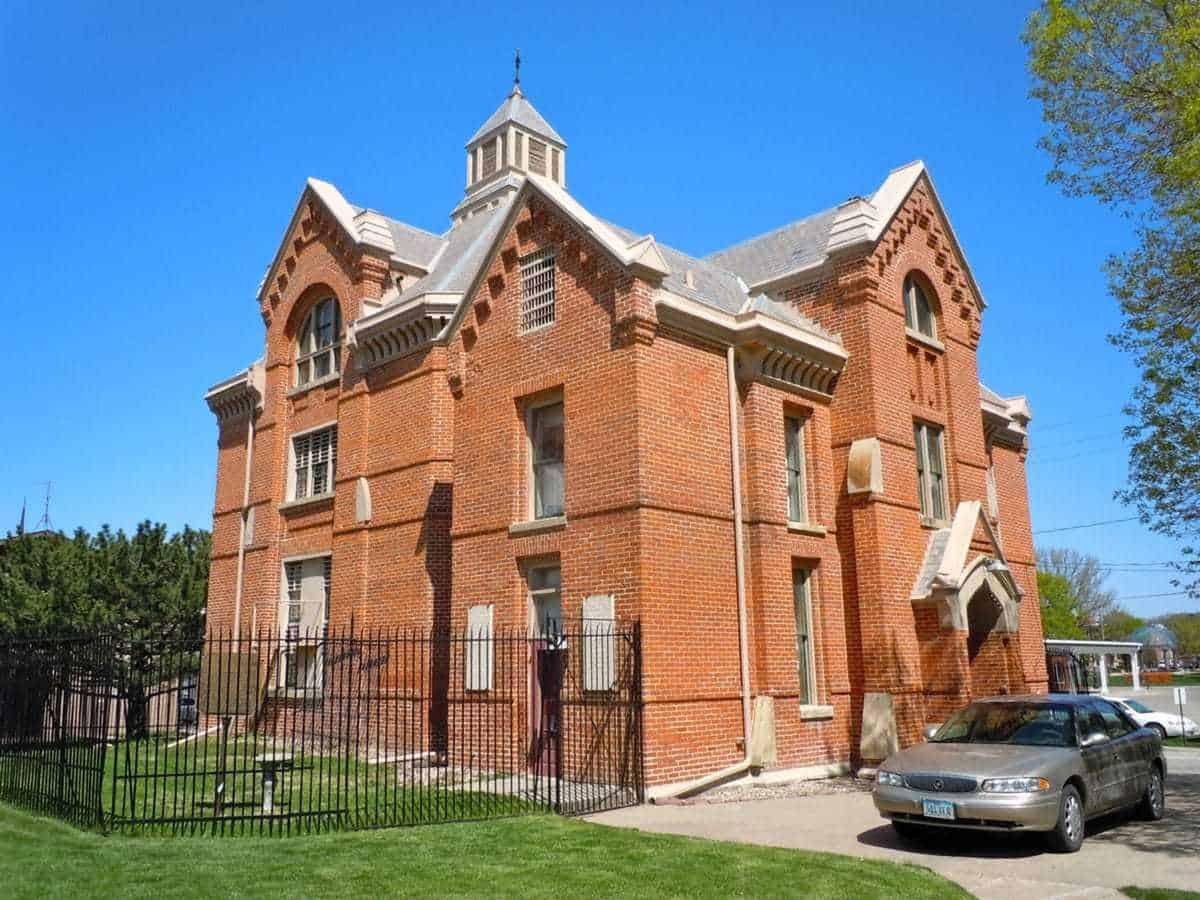
Pottawattamie Squirrel Cage Jail in Council Bluffs is a rare architectural curiosity. One of only three rotary jails ever built, this 19th-century marvel features a rotating cell block that allowed jailers to control access to prisoners.
Though no longer in use, the jail is now a museum offering a fascinating look into the past, where you can walk through its eerie, circular halls and imagine life behind bars in this unique structure.
Grant Wood Murals, Ames
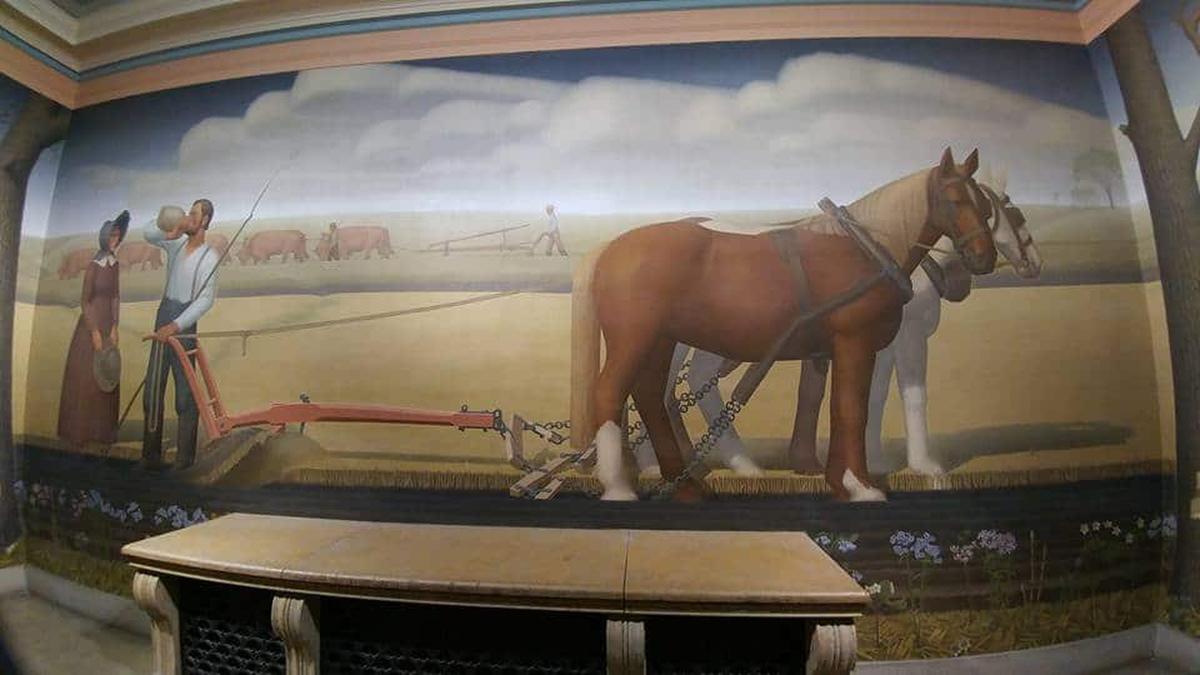
Grant Wood’s legacy in Iowa extends beyond his famous “American Gothic” painting. In Ames, the walls of the Parks Library at Iowa State University are adorned with his murals, depicting scenes of agricultural life.
These artworks, created with a team of local artists, embody Wood’s regionalist style and connect you to the rich farming heritage of the Midwest.
Matchstick Marvels Museum, Gladbrook
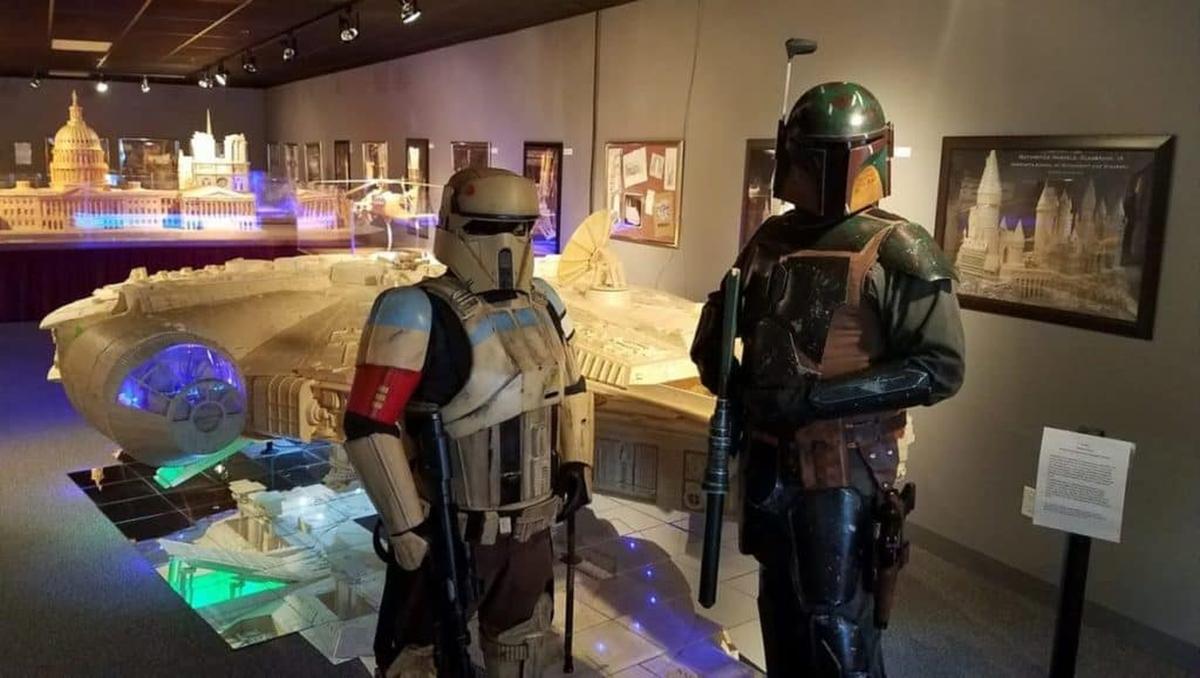
Matchstick Marvels Museum in Gladbrook showcases the incredible artistry of Patrick Acton, who has spent decades crafting detailed replicas of famous structures using millions of matchsticks. From the USS Iowa battleship to the Hogwarts castle, the museum’s collection is a testament to creativity and patience.
Walking through the exhibits, you’ll be amazed by the intricate details and sheer scale of Acton’s work, making it a memorable stop for all ages.
Worlds Largest Popcorn Ball, Sac City
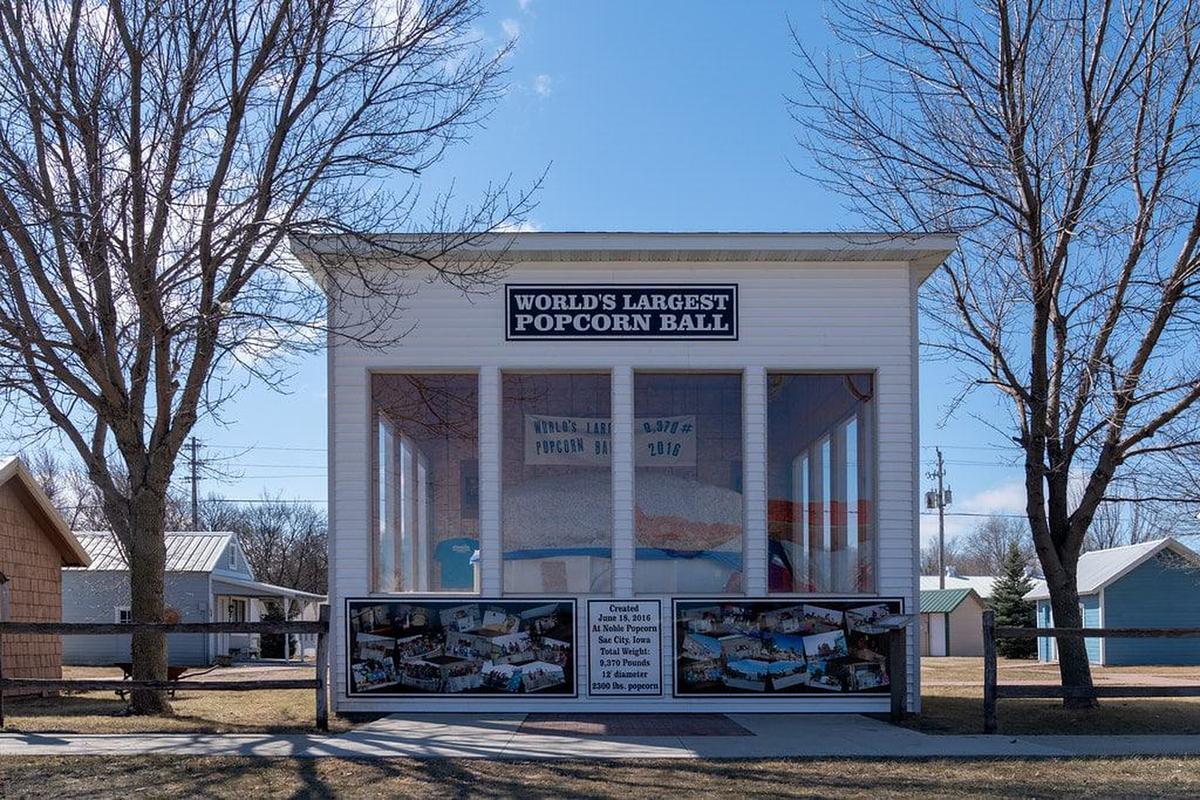
In Sac City, the world’s largest popcorn ball takes center stage as a quirky testament to community pride. Weighing a staggering 10,000 pounds, this giant treat sits proudly in a custom-built barn on Main Street.
The town’s determination to reclaim the title after several challenges showcases its spirit, making this a must-see for fans of roadside oddities and giant foods.